

Key Takeaways
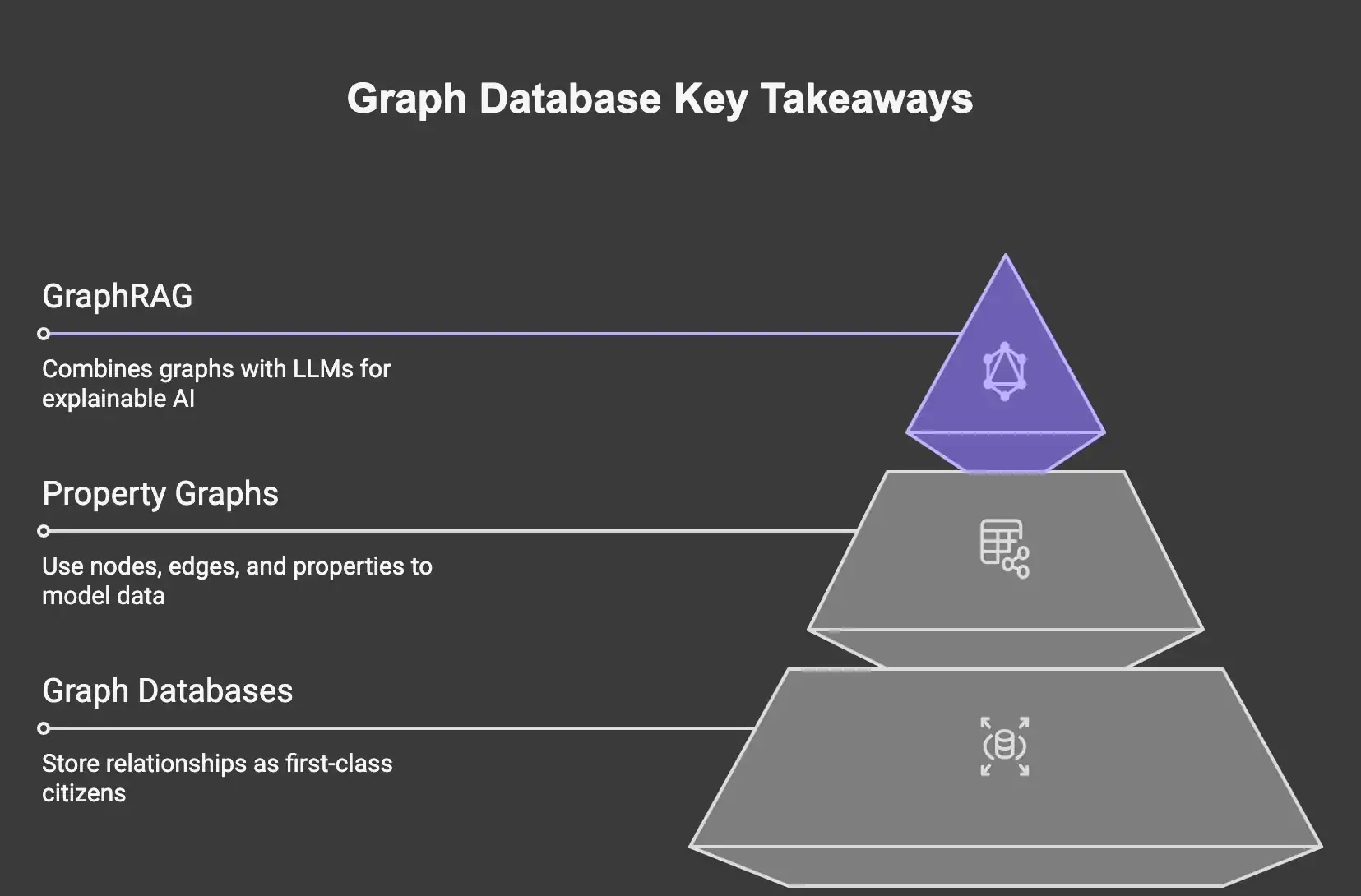
- Graph databases store relationships as first-class citizens, enabling real-time traversal
- Property graphs use nodes, edges, and properties to model connected data, while Cypher and Gremlin provide pattern-matching query capabilities.
- GraphRAG combines knowledge graphs with LLMs for explainable AI, reducing hallucinations by grounding responses in verifiable graph-traversed facts.
Querying your production database to find all customers who purchased products, recommended by friends who also bought from suppliers flagged in a previous fraud investigation, requires multiple JOIN operations across five or more tables in a relational database, with performance degrading exponentially as your dataset grows. A graph database executes this same traversal in milliseconds by following direct connections between entities.
A graph database is a specialized NoSQL system that stores data as nodes, edges, and properties, treating relationships as first-class citizens rather than afterthoughts reconstructed at query time. This architectural difference enables super-fast traversal across complex networks, making graph databases the foundation for recommendation engines, fraud detection systems, and the emerging GraphRAG paradigm behind enterprise AI.
This guide covers the core concepts, types, query languages, and implementation practices for graph databases, with a focus on practical applications for AI architects and senior developers building production systems.
What is a Graph Database?
This design choice has a profound performance implication: traversal time is fast – very fast. When you query a relationship in a graph database, the system follows direct pointers or adjacency matrices rather than scanning indexes across multiple tables.
Architecturally, graph databases belong to the NoSQL family. They prioritize schema flexibility and horizontal scaling over the rigid ACID guarantees traditionally associated with SQL systems, though modern graph databases now support ACID transactions for specific use cases.
Brief History
The W3C introduced the Resource Description Framework (RDF) in the late 1990s for web metadata, followed by native property graph databases like Neo4j in the early 2000s. The latest evolution involves matrix-based graph engines like FalkorDB, which process graph traversals as linear algebra operations using sparse adjacency matrices.

General Benefits of Graph Databases
Graph databases provide a map of organizational information, revealing patterns that remain hidden in fragmented relational tables. The ability to understand context surrounding an entity creates competitive advantage for data-driven decision-making.
Performance benefits become evident at scale. In relational databases, performance degrades exponentially as relationship depth increases because the system must scan multiple tables and indexes to reconstruct a single path. Graph databases maintain consistent performance by traversing direct pointers, keeping recommendation engines and fraud detection systems responsive regardless of user growth.
Integration with AI and machine learning pipelines has accelerated adoption. Knowledge graphs serve as the semantic foundation for GraphRAG implementations, grounding Large Language Model outputs in verifiable facts.
Core Concepts of Graph Databases
Getting a good understanding of the fundamental building blocks of the property graph model is necessary for successful implementation.
Nodes and Relationships
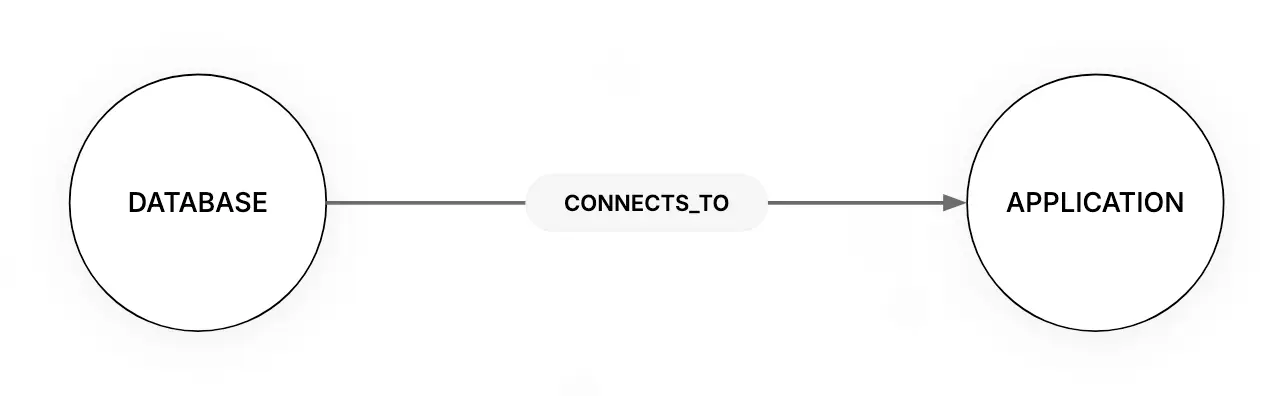
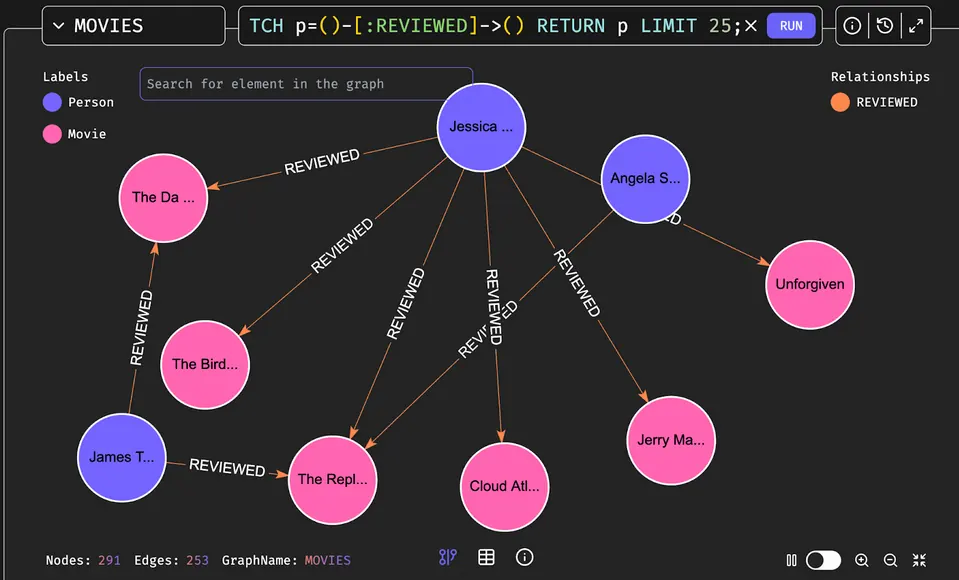
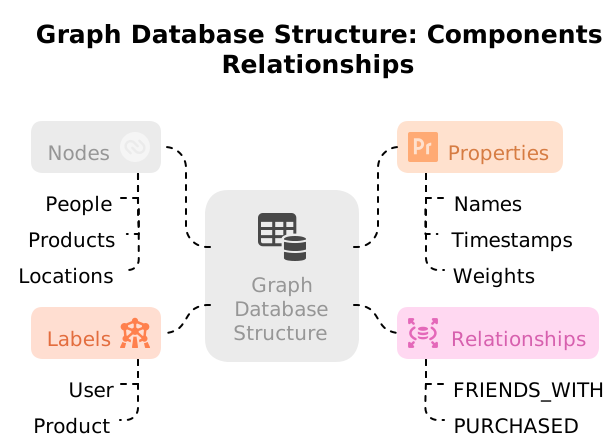
Nodes are the atomic units of a graph database, representing entities such as customers, products, devices, or locations. Each node acts as a data container and connection point for relationships.
Relationships (edges) connect nodes and represent interactions or dependencies between entities. Critically, relationships are directional; they have a start node and an end node, enabling modeling of asymmetrical interactions like “Alice follows Bob” or “Account X transferred funds to Account Y”.
“Relationships are first-class citizens in graph databases. They store their own properties, such as transaction timestamps, connection strength, or edge weights for pathfinding algorithms.” Ardoq.com
Properties and Labels
Properties provide semantic detail through key-value pairs attached to both nodes and relationships. A “Product” node might have properties like `price: 29.99` and `sku: “AB-123″`. A “PURCHASED” relationship might include `discount_applied: true`.
Labels classify nodes into logical categories. A single node can possess multiple labels such as “Person” and “Employee,” enabling efficient filtering during query execution. The database engine uses labels to narrow search scope, optimizing traversal performance across massive datasets.
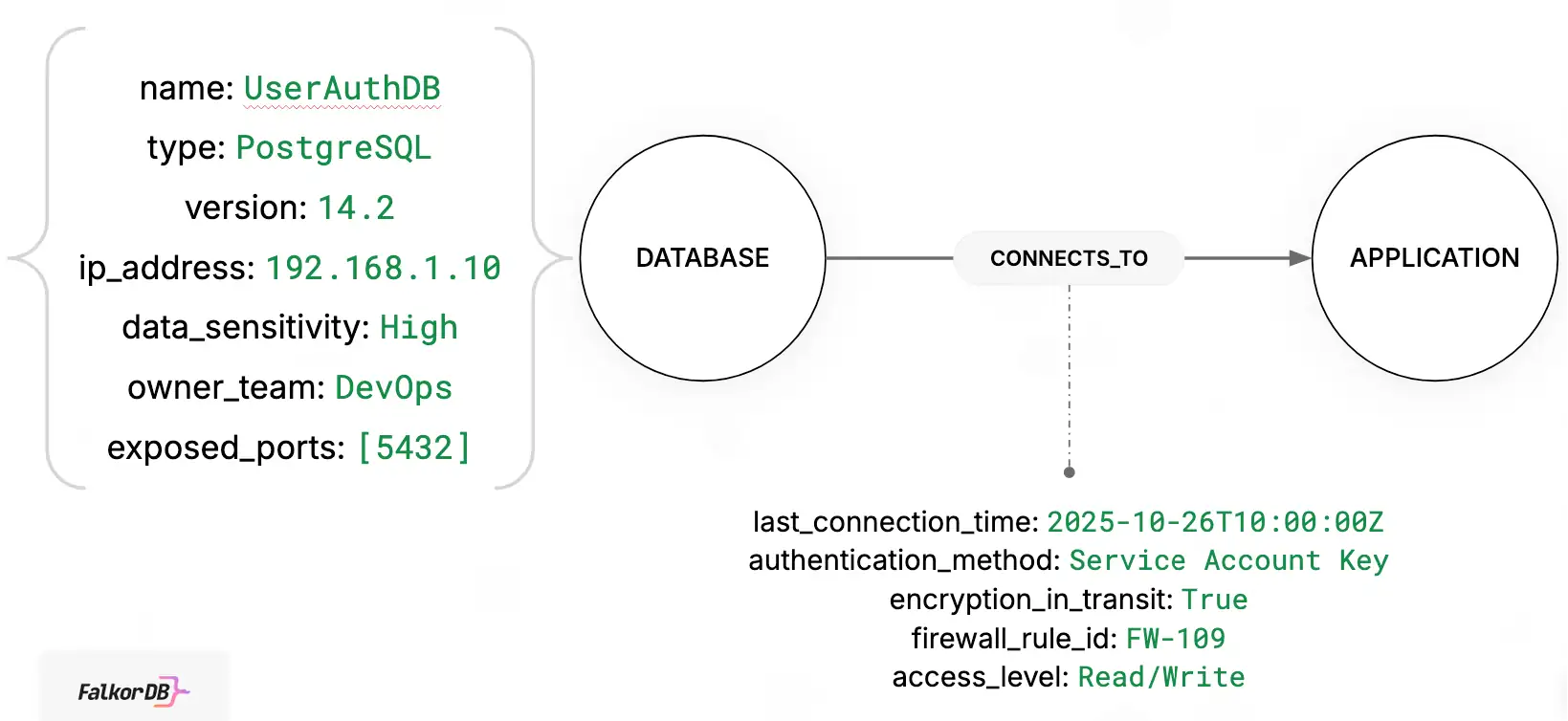
Roles of Labels, Properties, Indexes, Constraints, and Data Models
Graph databases offer a set of structural elements that streamline both performance and data clarity. Understanding these components is key to crafting an efficient and maintainable graph schema.
Labels:
Labels play the role of organizing nodes into meaningful groups, such as distinguishing “Person” from “Product,” or “Device” from “Location.” A node can wear several labels at once, think of someone who is both an “Employee” and a “Customer.” By tagging nodes with labels, you make targeted queries and bulk operations far faster because the database engine can home in on relevant subsets, skipping over millions of irrelevant records.
Properties:
Properties are the granular facts and details you associate with nodes and relationships. These key-value pairs might describe a product’s price, an employee’s hire date, or the timestamp on a financial transfer. The flexibility of properties allows every node or edge to carry as much, or as little, descriptive baggage as the application demands—crucial for modeling real-world complexity.
Indexes:
Indexes act as the graph’s built-in searchlight, making lookups and filtering lightning fast. When properties or labels are indexed, the database avoids expensive full-graph scans and instead jumps straight to the relevant nodes, similar to the way a book’s index points you to the right page without hunting through every chapter. This is especially valuable in sprawling datasets, from social networks to logistics maps.
Constraints:
Constraints are the rule-setters. You can think of them as guardrails against bad data. Whether ensuring every “User” has a unique email or that an “Order” always attaches to a valid “Product,” constraints help catch inconsistencies before they poison your dataset. Certain constraints can even enforce relationship patterns, which is vital for maintaining trust in automated decision systems.
Data Models:
The data model is the overall blueprint for how information is structured and interconnected across your graph. A well-crafted data model mirrors how entities actually interact in the business domain, making queries more intuitive and maintenance less painful. Whether planning a simple family tree or a sprawling supply chain, the right data model accelerates everything from onboarding new team members to optimizing machine learning features.
Grasping these building blocks will position you to maximize the power, flexibility, and reliability of your graph-powered applications.
Graph vs. Relational Databases
The fundamental difference lies in how data is linked and processed. Relational databases rely on normalization, separating data into tables for consistency. Querying related data requires JOIN operations, which involve matching primary and foreign keys across tables
Relational databases excel at structured, tabular reporting and financial ledgering where rigid schemas support accuracy. They struggle when queries span more than three or four levels of connections. Graph databases excel in these “multi-hop” scenarios where the path between entities is the primary analytical focus.
Types of Graph Databases
Graph databases share the core goal of managing connections but utilize different data models and architectural philosophies.
Property Graphs
The Labeled Property Graph (LPG) is the dominant model for application development. Systems like FalkorDB, Neo4j, and Memgraph use this model because it mirrors how developers naturally conceptualize data.
In an LPG, nodes and relationships are complex structures storing multiple properties. The model operates under a “closed-world” assumption: if a relationship is not explicitly stated, it does not exist. This makes property graphs ideal for scenarios requiring definitive answers, such as identifying users one hop away from a known fraudster.
RDF Graphs
The Resource Description Framework (RDF) originates from semantic web and linked data standards. RDF models data as triples: subject-predicate-object statements (e.g., “Alice knows Bob”).
RDF stores (triple stores) use URIs to support global entity uniqueness across the web. RDF supports “open-world” semantics, treating missing information as “unknown” rather than “false”. This makes RDF preferred for scientific research and metadata management where inferring new facts from existing data is critical.
Use Cases and Applications
The graph model addresses challenges across industries, from financial services to software engineering.
Recommendation Systems
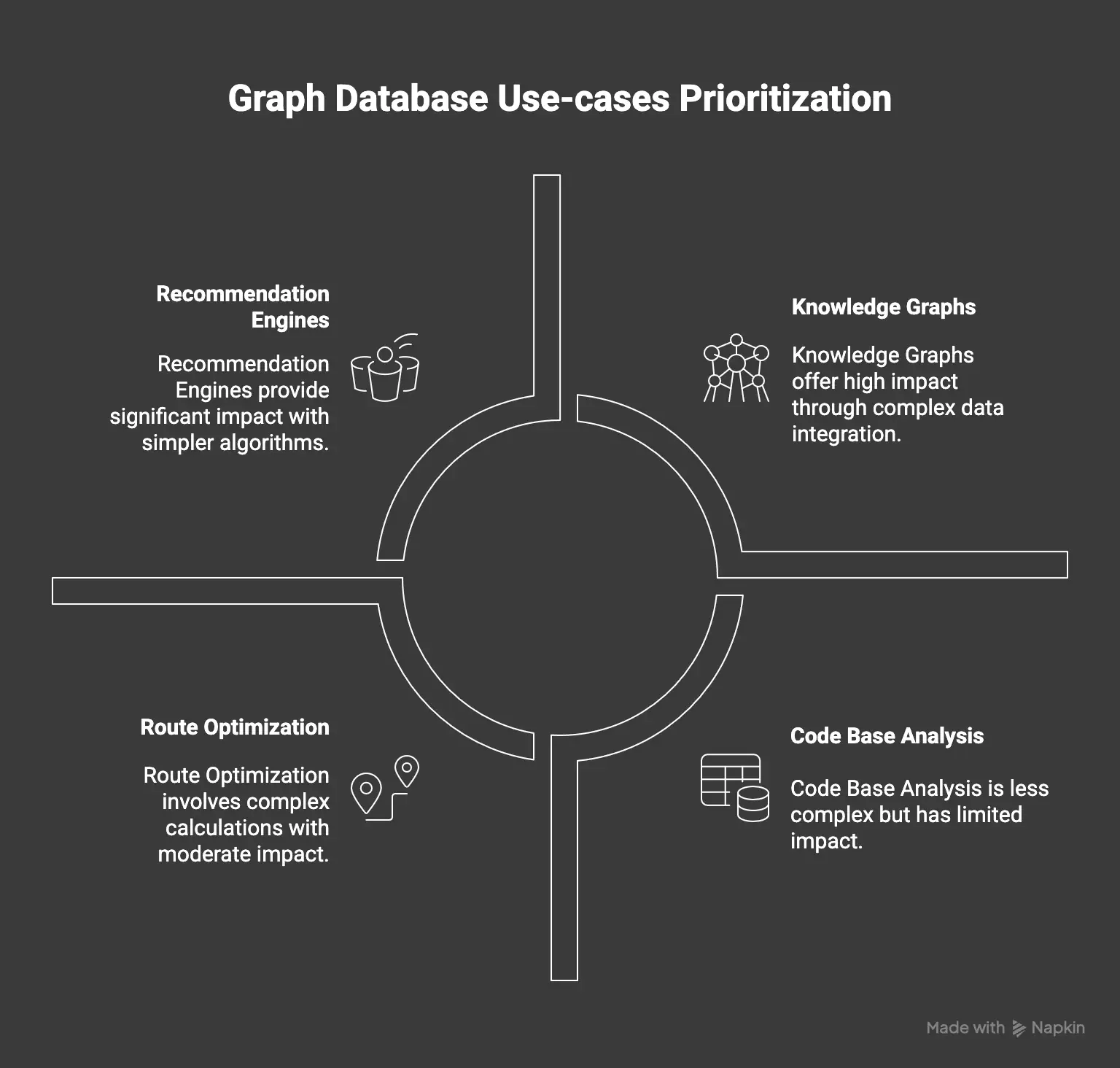
Modern recommendation engines utilize real-time graph traversals to deliver personalized experiences based on user context and network relationships. By modeling users, products, categories, and interactions as a graph, recommendation systems identify similar users or find frequently co-purchased items within specific communities.
Graph databases allow organizations to incorporate new signals, including social influencers, location-based trends, or real-time viewing habits, without disrupting existing architecture.
Fraud Detection
Fraud detection represents a high-impact use case for graph technology. Conventional fraud systems analyze events in isolation, making them blind to coordinated attacks. Fraudsters hide behind “synthetic identities” sharing common attributes like phone numbers, devices, or IP addresses.
Graph databases expose fraud rings by revealing hidden connections between seemingly unrelated accounts. Analysts use graph algorithms to detect circular transaction loops where money moves through multiple account layers before returning to the source, a classic money laundering indicator. Real-time traversals enable financial institutions to block fraudulent transactions before funds are released.

Knowledge Graphs and GraphRAG
Knowledge graphs act as a unified semantic layer for enterprises, connecting siloed data into a structured organizational knowledge map.
In Generative AI, knowledge graphs have become the foundation for GraphRAG (Graph Retrieval-Augmented Generation). While vector databases find similar text based on semantic similarity, they lack multi-hop reasoning capability. GraphRAG allows Large Language Models to traverse knowledge graph relationships, gathering context from multiple disparate sources.
This approach grounds AI-generated responses in verifiable facts, reducing hallucination risk. Because the graph explicitly stores connections used to generate responses, AI outputs become explainable, allowing analysts to trace reasoning paths.
Code Graphs
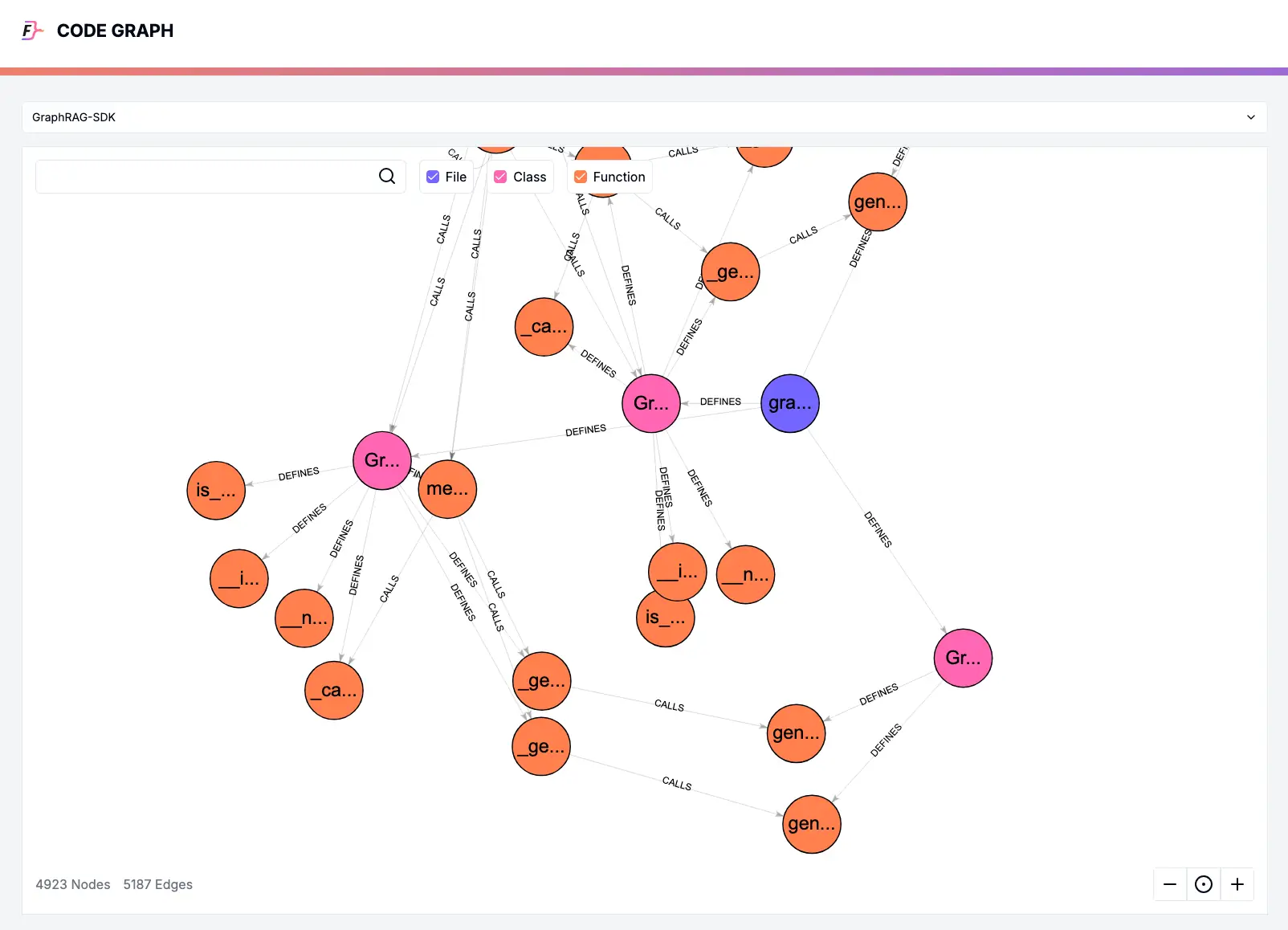
A Code Graph applies knowledge graph principles to software engineering. It represents codebases as networks where nodes are functions, classes, and variables, and edges are dependencies or call relationships.
Code graphs enable deep impact analysis, identifying how changes in low-level functions ripple through entire systems. They also facilitate natural language interaction with code, enabling queries like “Which methods are currently unused?” with precise, graph-backed answers.
Route Optimization and Pattern Discovery
For logistics and supply chain applications, graph databases support route optimization using algorithms like Dijkstra or A* to find shortest paths based on edge weights such as distance, cost, or time.
Pattern discovery involves searching for structural anomalies like rings or cliques. Cypher‘s pattern-matching capabilities enable searching for specific sequences of nodes and relationships across massive datasets without full scans.
Query Languages for Graph Databases
Specialized query languages enable graph database capabilities by describing patterns within networks rather than the mechanics of joining tables.
Cypher
Cypher is the most widely adopted declarative query language for graph databases, implemented by multiple systems including FalkorDB.
Cypher uses intuitive “ASCII-art” syntax to represent patterns:
(a:Actor)-[:ACT]->(m:Movie {title:"straight outta compton"})
Because Cypher is declarative, developers specify what they want to find, and the query optimizer determines the most efficient traversal path. This abstraction enables rapid development and high maintainability for complex multi-hop queries.
Gremlin
Gremlin is a functional, imperative graph traversal language within the Apache TinkerPop framework. Unlike Cypher, Gremlin is procedural, specifying the exact path a “walker” takes through the graph:
g.V().has('Person', 'name', 'Alice').out('FRIEND').values('name')
Gremlin provides fine-grained control over traversal processes, making it effective for custom algorithms or complex data transformations beyond simple pattern matching. Amazon Neptune and Azure Cosmos DB support Gremlin.
GQL (Graph Query Language)
GQL is the first new international standard database query language in over 35 years, officially published as ISO/IEC 39075 in April 2024. Developed by the committee responsible for SQL, GQL aims to standardize property graph querying across the industry.
GQL combines the features of Cypher and other existing languages, offering powerful pattern matching and rich data types that support interoperability between vendors.
Advantages of Graph Databases
Three fundamental technical advantages drive the transition to graph-based architectures: performance, flexibility, and data clarity.
Performance and Speed
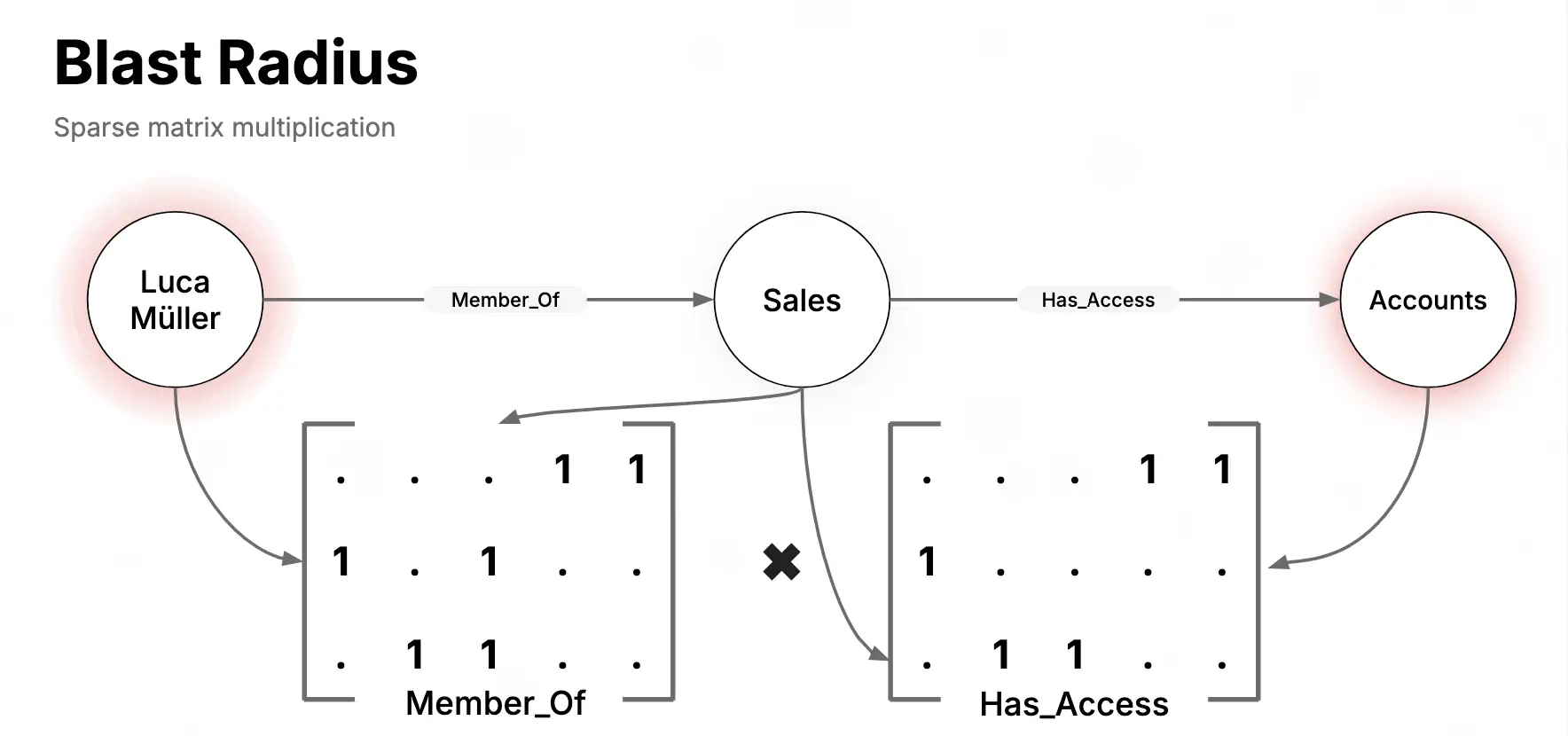
The primary performance advantage is “index-free adjacency.” Some databases reconstruct relationships by searching global indexes to find matching keys across tables, slowing down as datasets grow. Graph databases contain direct pointers from each node to its adjacent nodes, enabling constant-time traversal.
Matrix-based systems like FalkorDB extend this through sparse matrix multiplication. By treating graph traversal as mathematical operations, these systems process queries in parallel across CPU cores.
Flexibility and Agility
In relational databases, schema changes are heavy operations requiring downtime and query refactoring. Graph databases are inherently “schema-lite,” meaning new node types, relationship categories, and properties can be added without affecting existing data.
This flexibility allows developers to iterate rapidly while maintaining enterprise-scale robustness.
Easy Visualization of Relationships
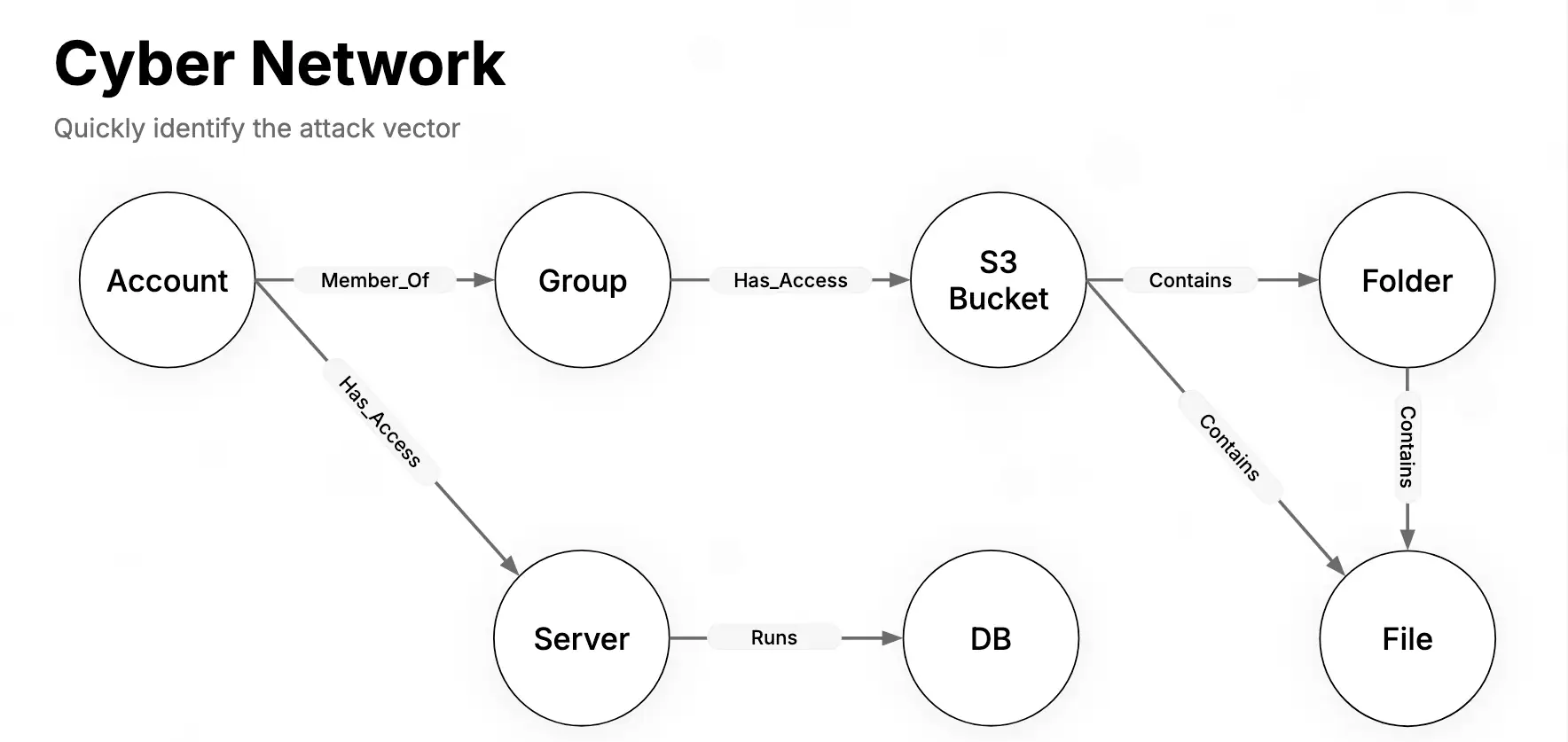
Graph databases allow stakeholders to visualize data as networks, matching how humans naturally perceive connections. Visualization tools help analysts quickly identify activity hubs, disconnected data islands, and community bridges.
This clarity proves invaluable for explaining fraud investigation results or showing IT infrastructure dependencies to non-technical leaders.
How Graph Analytics and Algorithms Work
Graph algorithms are computational methods for analyzing relationships between entities, categorized by intended outcome.
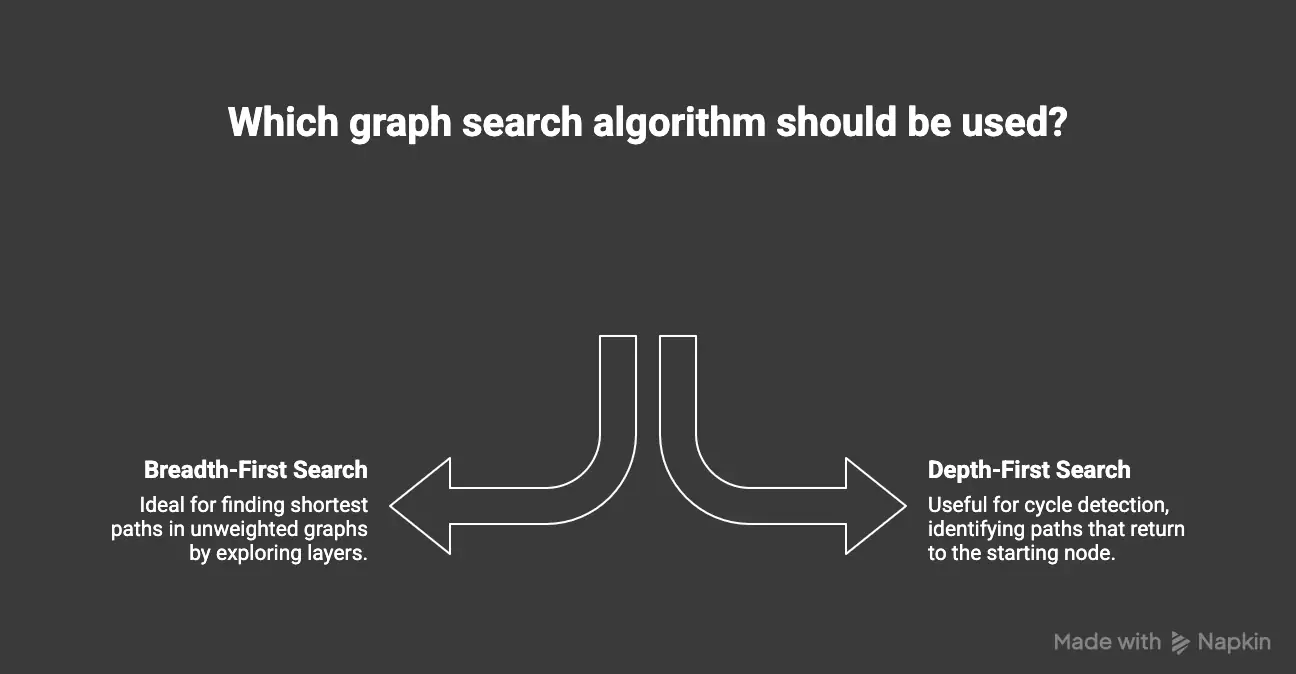
Search: BFS and DFS
Breadth-First Search (BFS) explores graphs in layers, visiting all immediate neighbors before moving to the next level. This makes BFS ideal for finding shortest paths in unweighted graphs.
Depth-First Search (DFS) moves as far as possible down a single path before backtracking. DFS is useful for cycle detection, identifying paths that return to the starting node, which signals potential money laundering.
Clustering and Community Detection
Community detection algorithms partition networks into groups of densely connected nodes. The Louvain algorithm is the industry standard, working through two phases:
- Modularity Optimization: Each node starts in its own community. The algorithm moves nodes into neighboring communities to maximize the modularity score, measuring link density inside communities compared to random networks.
- Community Aggregation: Discovered communities compress into single “super-nodes.” The process repeats on this aggregated graph to find hierarchical structures.
Partitioning
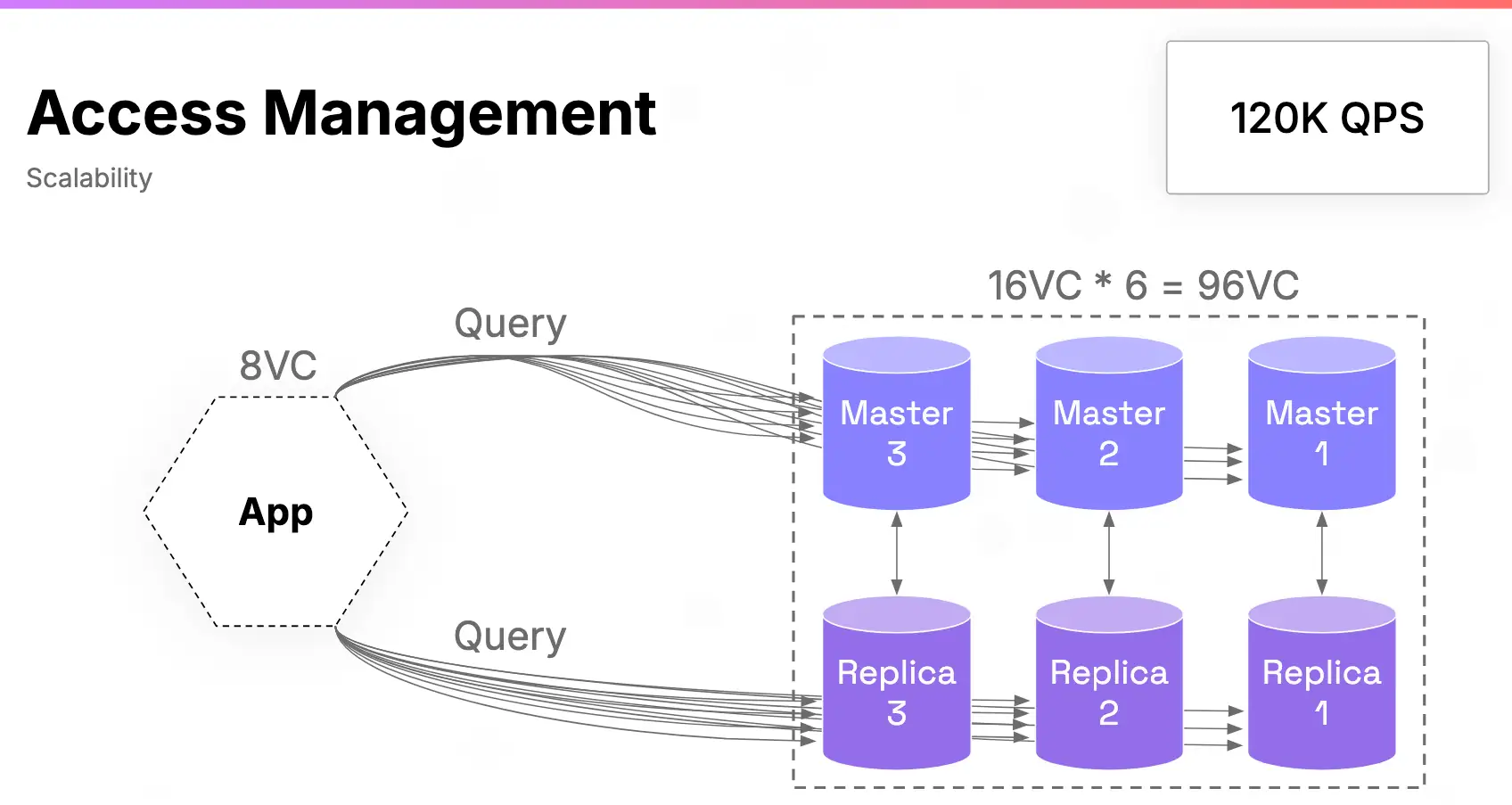
Graph partitioning divides massive graphs into smaller shards stored across multiple servers. Unlike relational sharding, graph partitioning is complex because edges might connect nodes on different servers, causing network hops that slow traversals.
Systems address this through multi-tenant and multi-graph architectures, allowing organizations to isolate data domains while maintaining horizontal scalability.
Comparing Graph Database Options
When evaluating graph databases, consider performance characteristics, query language support, scalability, and ecosystem maturity.
| Database | Query Language | Architecture | Primary Strength |
|---|---|---|---|
| Neo4j | Cypher | Native graph storage | Ecosystem maturity |
| Amazon Neptune | Gremlin, SPARQL | Managed cloud service | AWS integration |
| FalkorDB | OpenCypher | Matrix-based, Redis module | Multi-tenancy, low-latency |
| Memgraph | Cypher | In-memory | Real-time streaming |
Neo4j
Neo4j is a prominent provider in property graph databases space, with a large community and ecosystem. It offers native graph storage, Cypher query language, and enterprise features including clustering and role-based access control.
Amazon Neptune
Amazon Neptune provides a fully managed graph database service supporting both property graphs (via Gremlin) and RDF (via SPARQL). Neptune integrates with AWS services and suits organizations already committed to AWS infrastructure. It handles both OLTP and OLAP workloads.
FalkorDB
FalkorDB uses sparse matrix multiplication rather than traditional pointer-chasing for graph traversals. By treating traversals as linear algebra operations, FalkorDB processes queries in parallel across CPU cores. Written in C and running as a Redis module, FalkorDB avoids JVM overhead. Support for OpenCypher streamlines migration from existing Cypher-based systems.

Graph vs. SQL Databases: Final Comparison
Graph databases represent a fundamental departure from tabular constraints, offering performance, flexibility, and insight for interconnected data. Whether preventing financial crime, delivering recommendations, or grounding AI in factual knowledge, graph databases are valuable tools for data-intensive applications.
The evolution from relational JOIN operations to direct relationship traversal moves relationship handling from the application layer into the storage layer. This architectural shift transforms isolated records into a living map of organizational knowledge.
For teams building production AI systems, the combination of graph databases with knowledge graphs and GraphRAG provides a foundation for explainable, factual, and high-performance applications that scale with data complexity rather than against it.
FAQ
What is the difference between a graph database and a relational database?
Graph databases store relationships explicitly as edges, enabling fast traversals. Relational databases reconstruct relationships through JOINs, which degrade at scale.
Is a graph database SQL or NoSQL?
Graph databases are a category of NoSQL databases, storing data as nodes and edges rather than tables. They use Cypher or Gremlin instead of SQL for querying
When should I use a graph database over a relational database?
Use graph databases when queries frequently traverse 3+ relationship hops. Use relational databases for flat reporting, aggregations, or low-connectivity data.
References and citations
- [1] GeeksforGeeks, “Introduction to Graph Database on NoSQL,” https://www.geeksforgeeks.org/dbms/introduction-to-graph-database-on-nosql/
- [2] Ardoq, “Graph Databases and Enterprise Architecture: A First-Principles Guide,” https://www.ardoq.com/knowledge-hub/graph-databases-ea
- [3] AWS, “Graph vs Relational Databases,” https://aws.amazon.com/compare/the-difference-between-graph-and-relational-database/
- [4] Neo4j, “Graph Database vs. Relational Database: What’s The Difference?,” https://neo4j.com/blog/graph-database/graph-database-vs-relational-database/
- [5] Dataversity, “A Brief History of Non-Relational Databases,” https://www.dataversity.net/articles/a-brief-history-of-non-relational-databases/
- [6] Medium, “Graph Databases: A Comprehensive Overview and Guide,” https://medium.com/@Jeremiahadepoju/graph-databases-a-comprehensive-overview-and-guide-part1-f81a6084094a
- [7] AWS, “What Is a Graph Database?,” https://aws.amazon.com/nosql/graph/
- [8] Wikipedia, “Graph database,” https://en.wikipedia.org/wiki/Graph_database
- [10] DZone, “RDF Triple Stores vs. Labeled Property Graphs,” https://dzone.com/articles/rdf-triple-stores-vs-labeled-property-graphs-whats
- [11] FalkorDB, “The FalkorDB Design,” https://docs.falkordb.com/design/
- [12] FalkorDB, “FalkorDB vs Neo4j: Choosing the Right Graph Database for AI,” https://www.falkordb.com/blog/falkordb-vs-neo4j-for-ai-applications/
- [13] ProjectPro, “A Beginner’s Guide to Graph Databases,” https://www.projectpro.io/article/graph-database/1041
- [14] Neo4j, “Top 10 Graph Database Use Cases,” https://neo4j.com/blog/graph-database/graph-database-use-cases/
- [15] InterSystems, “Graph Database vs Relational Database,” https://www.intersystems.com/resources/graph-database-vs-relational-database-which-is-best-for-your-needs/
- [16] FalkorDB, “What is GraphRAG?,” https://www.falkordb.com/blog/what-is-graphrag/
- [17] FalkorDB, “How to Build a Knowledge Graph,” https://www.falkordb.com/blog/how-to-build-a-knowledge-graph/
- [18] Medium, “Best practices for graph DBs,” https://medium.com/test-of-ideas/best-practices-fe0fd0acff55
- [19] PuppyGraph, “Graph Algorithms: A Developer’s Guide,” https://www.puppygraph.com/blog/graph-algorithms
- [20] TigerGraph, “Fraud Detection Graph Database,” https://www.tigergraph.com/glossary/fraud-detection-with-graph/
- [21] Neo4j, “RDF vs. Property Graphs,” https://neo4j.com/blog/knowledge-graph/rdf-vs-property-graphs-knowledge-graphs/
- [23] Milvus, “What is the difference between RDF and property graphs?,” https://milvus.io/ai-quick-reference/what-is-the-difference-between-rdf-and-property-graphs
- [26] 6point6, “Use cases for graph databases,” https://6point6.co.uk/insights/use-cases-for-graph-databases/
- [30] FalkorDB, “Code Graph: From Visualization to Integration,” https://www.falkordb.com/blog/code-graph/
- [31] Tencent Cloud, “Cypher vs Gremlin in query efficiency,” https://www.tencentcloud.com/techpedia/109721
- [33] PuppyGraph, “What Are Graph Query Languages?,” https://www.puppygraph.com/blog/graph-query-language
- [38] Memgraph, “Graph data modeling best practices,” https://memgraph.com/docs/data-modeling/best-practices
- [39] TigerGraph, “Graph Database Performance,” https://www.tigergraph.com/glossary/graph-database-performance/
- [44] FalkorDB, “Neo4j to FalkorDB Migration Guide,” https://www.falkordb.com/blog/neo4j-to-falkordb-migration-guide/
- [46] FsLab, “Louvain Algorithm,” https://fslab.org/Graphoscope/A_Louvain.html
- [47] Wikipedia, “Louvain method,” https://en.wikipedia.org/wiki/Louvain_method
Author
-

Guy Korland serves as CEO at FalkorDB, where he drives graph database architecture for generative AI and retrieval-augmented generation workflows. He holds a PhD in Computer Science from Tel Aviv University and brings over 20 years of experience in database engineering. He previously led Redis’ incubation arm as SVP & CTO, oversaw platform architecture as GM & CTO at Stor.ai (Self-Point), co-founded and served as CTO of Shopetti, and directed R&D as VP at GigaSpaces.
